Disinformation: recognize it, protect yourself.
Definition
Disinformation is false or misleading information, created and spread deliberately to deceive, influence opinion or cause harm. It differs from misinformation, which is also false but shared in good faith, with no intent to harm.
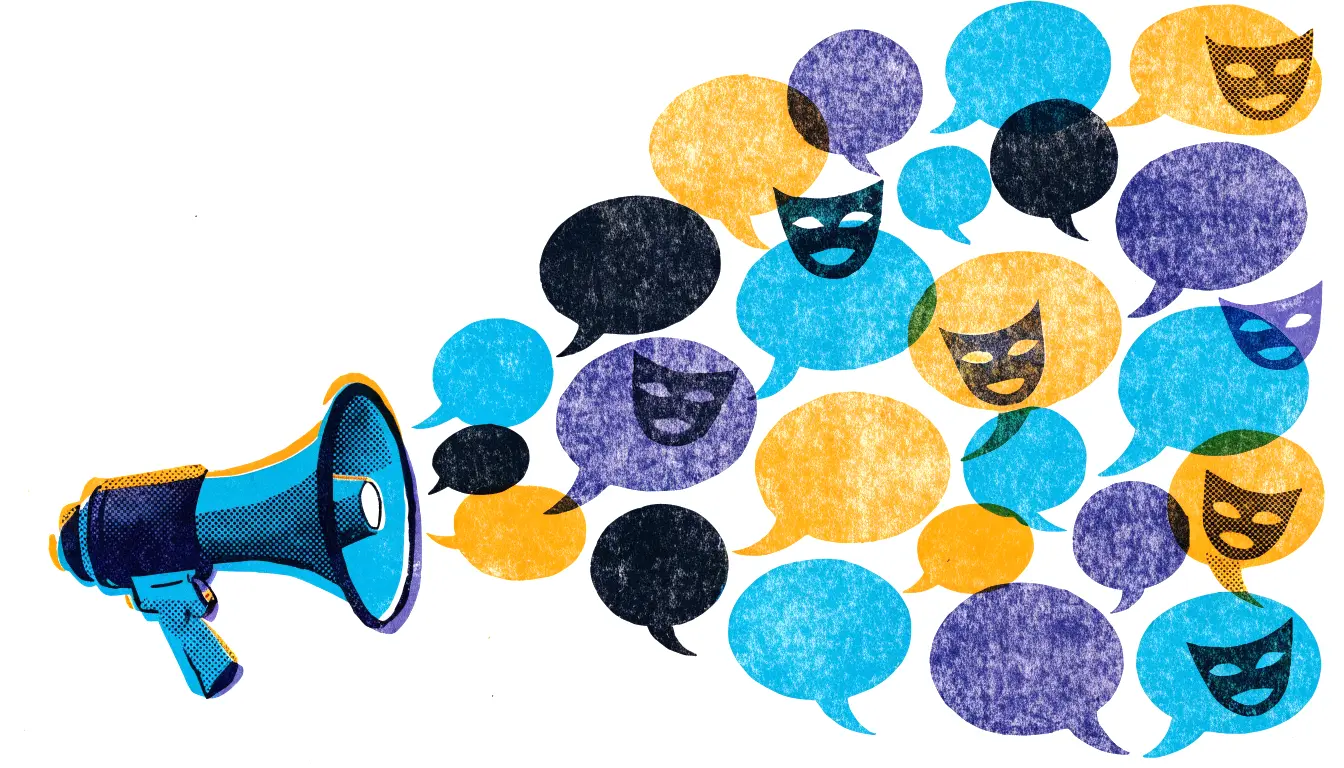
What is disinformation?
Disinformation is not a simple mistake. It is deliberate manipulation: someone spreads information they know to be false, or knowingly distorts it, to produce an effect. Swaying a vote, discrediting an institution, selling a product, sowing doubt about a scientific consensus.
What makes modern disinformation so effective is that it mimics the conventions of reliable information: fake news sites, made-up quotes attributed to real experts, misleading charts, authentic images taken out of context. It no longer merely lies: it disguises itself as the truth.
Disinformation, misinformation, malinformation
Three words that often get mixed up. The distinction comes from the Information Disorder framework published by the Council of Europe (Wardle and Derakhshan, 2017). The difference comes down to two criteria: is the information false, and is there an intent to harm?
Disinformation
False information, created and spread deliberately to deceive, influence or cause harm. The intent to harm is what defines it.
Misinformation
False information, but shared with no intent to harm: the person believes it and passes it on in good faith. This is the most common case.
Malinformation
True information, but taken out of context or disclosed to cause harm (private data, old remarks dug back up, targeted leaks).
Why disinformation works
It does not convince through logic, but by exploiting the normal workings of our brains and the mechanics of social media.
Confirmation bias
We instinctively give more credit to what confirms what we already believe. False information that flatters our convictions slips under the radar of critical thinking.
Emotional charge
Fear, anger and outrage push us to share before we think. Misleading content is designed to trigger that immediate reaction.
Speed and virality
False information often spreads faster than a correction. Generative AI amplifies the effect: fake visuals, deepfakes and fake accounts produced at scale.
The six families of manipulation
Disinformation recycles a limited repertoire of techniques. Recognizing them is already a way to guard against them. Factare detects them using a taxonomy of 47 codes grouped into six families.
Emotional manipulation
Inflammatory language, fake urgency (“Share before it gets deleted!”), us vs. them, moral panic.
Sourcing problems
Anonymous sources, fake experts, misattributed quotes, circular sourcing.
Logical fallacies
Cherry-picking, false dichotomy, straw man, post hoc reasoning, whataboutism.

Contextual manipulation
Old content passed off as new, facts out of context, selective editing, satire taken at face value.
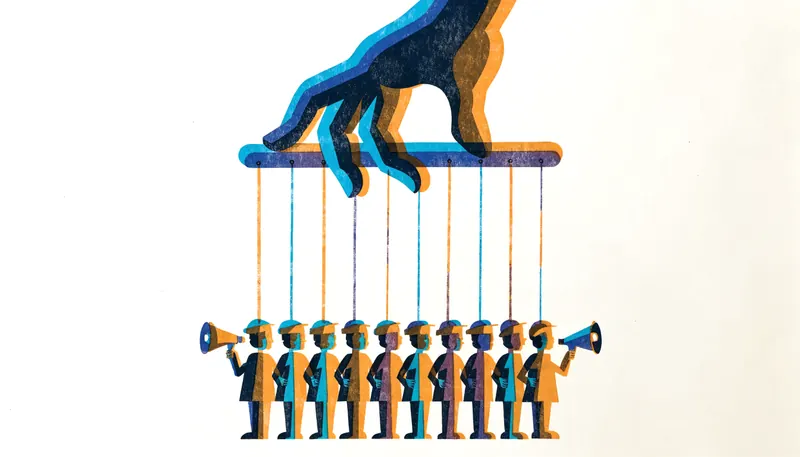
Coordinated signals
Astroturfing, deepfakes, bot amplification, cross-platform coordination.
Health pseudoscience
Miracle cures, misuse of VAERS data, anti-institution rhetoric, recovery anecdotes, retracted studies.
How to guard against disinformation
You don't need to be an expert. Four methodical habits are enough to weed out most false information.
Prebunking
Learning to recognize manipulation techniques before you are exposed to them. The best defense is preventive.
Lateral Reading
Not judging a source from the inside: opening other tabs and seeing what independent third parties say about it.
Source hierarchy
Knowing how to tell a fact-checker or an institution from an anonymous site. Not all sources are equal.
Fact-checking
Comparing a claim against the most reliable sources and publishing a reasoned verdict that can be checked point by point.
Where disinformation hits hardest
Health
Miracle cures, vaccine scares, retracted studies presented as proof.
Climate
Downplaying the scientific consensus, fake experts, figures taken out of context.
Elections and politics
False statements, rigged polls, impostor content mimicking news outlets.
Conflicts and geopolitics
Recycled old images, videos out of context, coordinated campaigns of fake accounts.
Frequently asked questions
What is disinformation, in simple terms?
+
Disinformation is false or misleading information, created and spread deliberately to deceive, influence opinion or cause harm. What characterizes it is intent: unlike misinformation, it is knowingly false.
What is the difference between disinformation and misinformation?
+
Disinformation is false and spread with the intent to harm or deceive. Misinformation is also false, but shared in good faith, with no intent to harm: the person believes it. Malinformation, for its part, rests on true elements taken out of context to cause harm. This distinction comes from the Council of Europe's Information Disorder framework.
Why does disinformation spread so fast?
+
Because it exploits psychological levers: confirmation bias (we believe what suits us) and emotional charge (fear, anger and outrage push people to share right away). Social media and generative AI amplify this spread, which is often faster than that of corrections.
How can you recognize false information?
+
A few recurring warning signs: a strong emotional charge, pressure to share urgently, missing or anonymous sources, images without context, figures that cannot be verified. The most effective habit is to go back to the source and cross-check with several reliable, independent sources.
How can you fight disinformation?
+
As an individual: build your verification habits (prebunking, lateral reading, source hierarchy) and don't share without checking. Fact-checking tools let you analyze content quickly, citing sources and laying out the manipulation techniques detected.
Which areas are hit hardest?
+
Health (miracle cures, vaccine scares), climate (downplaying the scientific consensus), elections and political life (false statements, impostor content) and geopolitical conflicts (recycled images, coordinated campaigns of fake accounts).
Unsure about a piece of content? Check before you share.
Paste a link to an article or a video: Factare extracts its claims, cites the sources, spots manipulation techniques and calculates a reliability score. One free analysis, no sign-up.