Prebunking
Prebunking: vaccinating against disinformation
Rather than debunking after the fact, you expose people to manipulation techniques before the attack. A method validated by 60 years of research in social psychology.
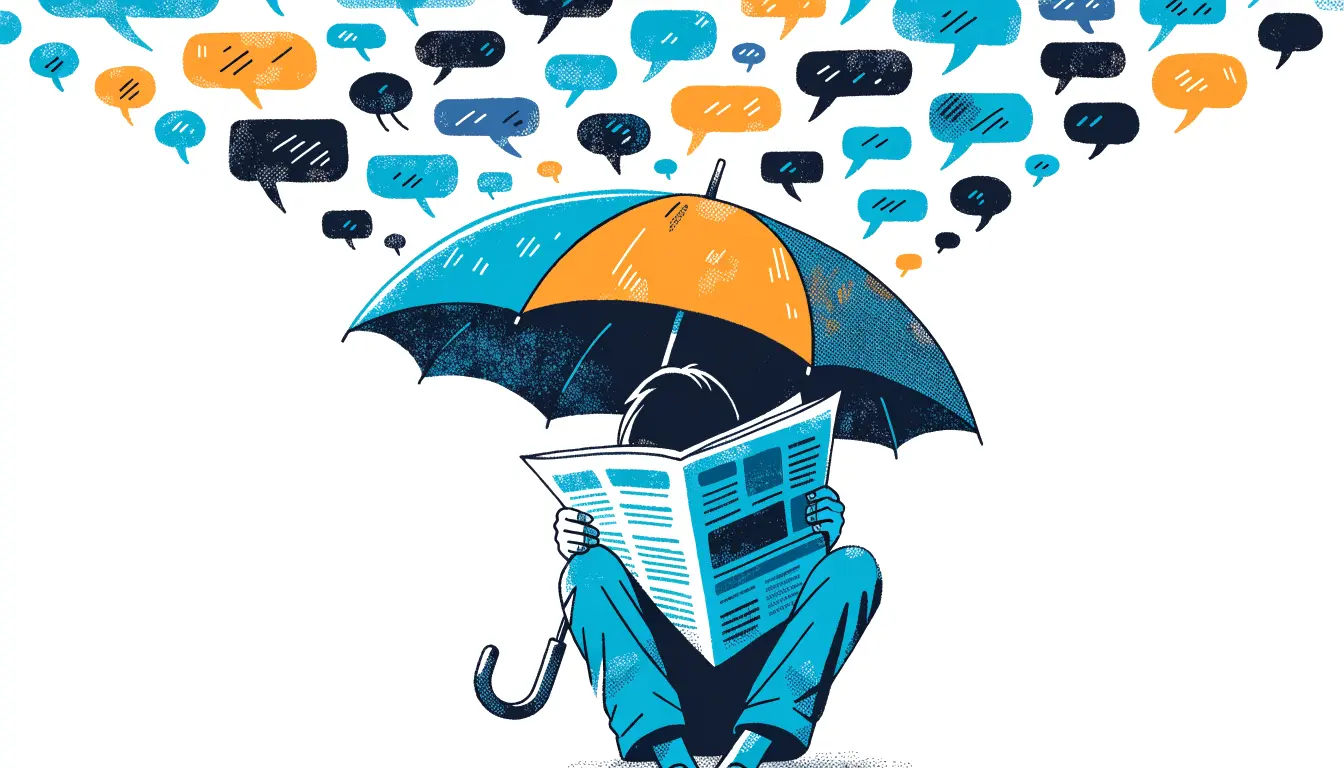
The concept of prebunking is derived from inoculation theory, formulated by social psychologist William McGuire at Yale University in 1961. His insight: if you can “vaccinate” the immune system against a virus by exposing it to a weakened version, you can “vaccinate” beliefs by exposing people to a weakened version of a manipulative argument.
A person pre-exposed to a weakened attack on their beliefs develops cognitive defenses that make them significantly more resistant to later, more aggressive attacks.
The Cambridge and Bristol revival#
For fifty years, inoculation remained a relatively marginal academic field. It was brought back to the center of applied cognitive science by Sander van der Linden (Cambridge) and Jon Roozenbeek (Bristol) between 2018 and 2022, with direct applications against climate disinformation, COVID-19 disinformation and wartime propaganda.
Their most influential work (a partnership with Google Jigsaw published in Science Advances in 2022) demonstrated that 90-second prebunking videos shown as pre-roll on YouTube lastingly improved viewers' ability to identify manipulative techniques such as false dichotomies, scapegoating or incongruous emotional language.
Debunking vs. prebunking#
Debunking (correcting after the fact) is useful but costly: it comes after the false information has spread, has to fight the familiarity effect (“I've read it before, so it's probably true”) and risks the “backfire effect” (strengthening the original belief among those most exposed).
Prebunking doesn't correct a lie; it teaches you to recognize the grammar of lies. Someone trained to spot a false dichotomy or whataboutism will detect it in any narrative, on any topic, without anyone having to predict in advance which disinformation will circulate.
Anatomy of a prebunking briefing#
For each narrative identified, you'll find:
- The false claim in its most common wording
- The manipulation techniques used (codes A1-F7 from the red flag taxonomy)
- The level of spread observed (High / Medium / Low)
- The factual counter-evidence, sourced from tiers T1-T4
- The reliable sources to remember on the topic
The idea isn't for you to memorize every narrative: it's for you to memorize the patterns, so that future variants immediately look familiar.
References
Sources of the method
- McGuire, W. J. and Papageorgis, D. (1961). The relative efficacy of various types of prior belief-defense in producing immunity against persuasion. Journal of Abnormal and Social Psychology, 62(2), 327-337.
- Roozenbeek, J. et al. (2022). Psychological inoculation improves resilience against misinformation on social media. Science Advances, 8(34).
- van der Linden, S. (2022). Misinformation: susceptibility, spread, and interventions to immunize the public. Nature Medicine, 28(3), 460-467.